
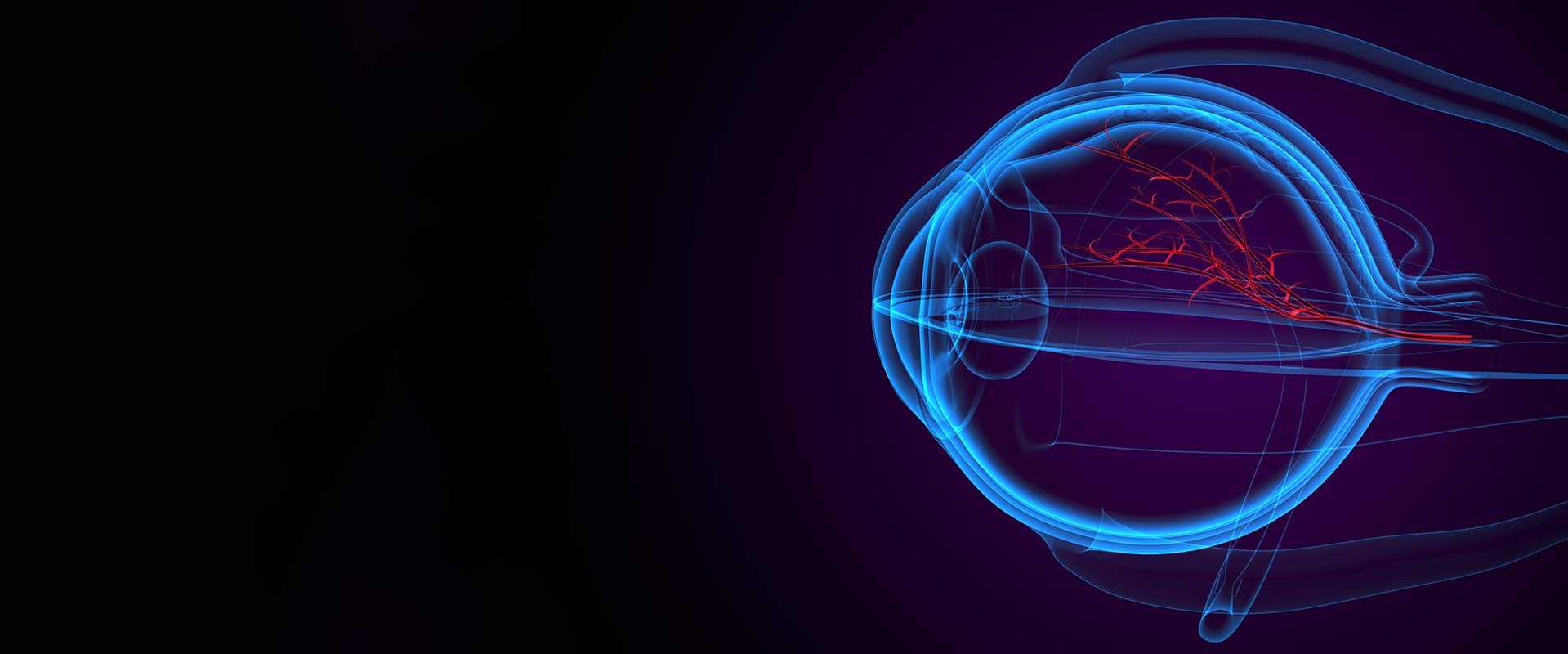
Retina Vein Occlusion (RVO)
A blockage of the retinal vein that can cause sudden vision loss, bleeding, and swelling in the back of the eye.
Retina Vein Occlusion (RVO)
A blockage of the retinal vein that can cause sudden vision loss, bleeding, and swelling in the back of the eye.


Retina Vein Occlusion (RVO) is a serious eye condition that occurs when a vein carrying blood away from the retina becomes blocked. This blockage can lead to sudden or gradual vision loss, retinal swelling, and potential long-term damage if not treated promptly.
At Meadows Eye, our fellowship-trained retina specialists diagnose and treat both Central Retinal Vein Occlusion (CRVO) and Branch Retinal Vein Occlusion (BRVO) using advanced imaging and the latest medical therapies.

What Is Retina Vein Occlusion?
The retina is the light-sensitive tissue at the back of your eye. When a retinal vein becomes blocked, blood and fluid leak into the retina, causing swelling (macular edema) and bleeding.
There are two main types:
1. Central Retinal Vein Occlusion (CRVO)
- Blockage of the main retinal vein
- Typically affects the entire retina
- Often causes significant vision loss
2. Branch Retinal Vein Occlusion (BRVO) (CRVO)
- Blockage in a smaller branch vein
- Affects only part of the retina
- Vision loss may be localized
Both forms require prompt evaluation by a retina specialist.
Symptoms of Retina Vein Occlusion
Retina Vein Occlusion (RVO) can develop suddenly or gradually, depending on the severity and location of the blockage. Many patients experience blurred or distorted vision, while others may notice sudden, painless vision loss in one eye. Dark spots, floaters, reduced peripheral (side) vision, and difficulty reading or seeing fine details are also common symptoms. Because vision changes can occur quickly, any sudden blurring or loss of vision should be evaluated by an eye specialist immediately.
Causes & Risk Factors
Retinal vein occlusions are frequently associated with underlying vascular and systemic health conditions. Common risk factors include high blood pressure, diabetes, high cholesterol, glaucoma, smoking, blood clotting disorders, and being over the age of 50. Since RVO is often connected to cardiovascular health, your eye doctor may recommend coordinating care with your primary care physician to help manage underlying conditions and reduce the risk of future complications.
How Retina Vein Occlusion Is Diagnosed
At Meadows Eye, we use advanced diagnostic technology, including:
- Comprehensive dilated eye examination
- Optical Coherence Tomography (OCT)
- Fluorescein angiography (if needed)
- Retinal imaging and photography
These tests help determine the type of occlusion, the amount of retinal swelling, and the best treatment approach.
Is Retina Vein Occlusion Permanent?
Vision outcomes depend on:
- Type of occlusion
- Severity of macular swelling
- Speed of treatment
- Overall health
With early intervention, many patients experience significant visual improvement.


Why Choose Meadows Eye for Retina Care?
Fellowship-trained retina specialists
Advanced imaging technology
Same-week urgent appointments available
Collaborative care with primary physicians
Comprehensive medical and surgical eye care under one roof
We are committed to protecting and preserving your vision with compassionate, state-of-the-art care.
If you suspect you have a pterygium or have been diagnosed and want a second opinion, we’re here to help. Early pterygium treatment can prevent complications and improve both comfort and appearance.
Contact Us Today to schedule your consultation with one of our pterygium specialists in Las Vegas.
Schedule a Retina Evaluation
If you’re experiencing symptoms of Retina Vein Occlusion or have been referred for evaluation, contact Meadows Eye today. Prompt care can help protect your sight.